Sunday, June 19, 2016

6 Money Management Tips For Your Elderly Parents


Generally, when financial experts and money management advisors speak of financial planning and money management, their statements are generally directed at people in their 20s and 30s. The general mindset is that younger people lack an astute level of financial literacy, and there is a general misconception that the elderly are more financially literate. However, we are learning that we need to refocus some of our efforts to build financial literacy toward the part of our population over the age of 50.

While the efforts to increase financial literacy among youth are on the rise, some experts believe that we are not focusing enough improving the financial literacy level of our seniors, especially those who have low to moderate income levels. Fortunately, there are some steps that people over the age of 50, or the loved ones responsible for caring for them, can do.

1. Develop a Line of Communication

Attempting to take on the responsibility of caring for an elderly parent can be a challenge, for a number of different reasons. In addition to any financial challenges, there is also the emotional and psychological issue associated with your parent losing their sense of independence and autonomy. So, the first step that should be taken in the process of assuming the financial responsibility for your parents is to have a respectful, face-to-face talk with them to discuss what will be taking place. It is important that they understand that you are not attempting to control them or take over their finances, just attempting to be of help.

In the case of siblings, it's probably a good idea to get them involved as well. Involving your siblings may help to reduce the possibility of the development of animosity, and it could ensure your parent that the family has their best interest in mind.

2. Get Things Organized

Once you and your parents reach an agreement to allow you to help them manage their finances, your first responsibility will be to get the finances organized so that you will become aware of their debt, utilities and due dates. Make a list of all of the financial accounts, so that you will be able to have a complete understanding of the cash flow and cash demand. You should also gather all legal documents that are associated with their finances, such as a will, insurance policies, etc.

It may also be a good idea to enroll them in the AARP/Schwab Program, which are workshops developed through a partnership between the AARP and Charles Schwab aimed at helping people over 50 improve their financial literacy. This program has an extremely high success rate.

You should also develop a plan to lower any debt that your parents currently have. If possible, eliminate all but one credit card, and that card will be used for purchase convenience and paid off completely at the end or the beginning of the month.

3. Set Up Automatic Bill Payment with Your Parent's Financial Institution

Whenever possible, it is a good idea to set up automatic bill pay, which will be helpful to ensure that all of the essentials, such as utilities, rent and insurance payments are taken care of. If your parent is on a fixed income, you will be able to look at the list of their finances that you created to determine which payments must be at the top of the priority list. Those bills that can be placed on automatic bill pay, should be. This will ensure that when you are away, nothing important will be missed. In order to simplify the automatic bill paying process, you could opt to use a third-party bill paying service such as Quicken Bill Pay. There also companies that specialize in paying bills for the elderly; however, some of these companies can have services that are exorbitantly priced, so be careful.

4. Mitigate the Potential for Scams

As people age, they become more at risk to be a target of criminals who prey on the week, like con and scam artist, as well as criminals that specialize in identity theft. While your parent's sensitive information, such as birthdate and social security number will not be on their mail, criminals have become very astute and using pieces of information to build a large enough portrait of who your parents are in order to take advantage of them. While women are generally targeted more than men, men are normally taken for more. One way that the risk of potential trouble can be mitigated is to have all mail routed to a safe place like a post office box.

5. Add a Safeguard

Depending on the mental condition of your parents, you may need to add a safeguard to minimize the chance of her being taken advantage of. Elderly people are usually more generous, and people take advantage of that. If your parents want to have a pet charity that they donate to on a regular basis, it is okay; this type of giving activity continues to give their life purpose; however, you should convince them to let you set up an automatic payment or draft to make the donation. Second, it may be necessary to visit their financial institution and have it set up where every check will have to have two signatures, and you will have to determine who the authorized signers will be. Requiring two signatures means that no door-to-door, telemarketing or mail scammers will be able to convince your loved one to write a check for a charity that does not exist.

At this point in the game, this might also be a good time to convince your parents to visit an attorney to set up a power of attorney, which will make it much easier to manage their financial affairs. The power of attorney can be drawn up to give you as much latitude with your parent's finances as they are comfortable with.

6. Keep Your Parents Actively Involved in the Budgeting Process

Although it may be more expeditious for you to do everything on your own, including your parents in the process will help to keep their morale up. Having the ability to be involved in the decision making assures them they still have a level of independence and purpose.

Finally, there may be a need to bring in a financial advisor, depending on the age of your parent. The younger they are when you take over, the more money they will need in order to live. If there is any discretionary income, it may be a good idea to invest in a low-risk product that will have a solid yield in 10 to 15 years — a time in which your parents may need more money for uncovered medical expenses and other needs.

Tuesday, March 22, 2016

16 Spring Cleaning Tips For Seniors

Spring Cleaning

Having a clean and organized home makes everyone feel good, but for seniors it is also a matter of health and safety as dust, mold, mildew and clutter can all too frequently create dangerous conditions. Whether your home needs a thorough cleaning or just a light sprucing up, here are some tips for seniors and their caregivers to help you tackle your spring-cleaning chores:

1) Focus on the Big Picture

Instead of giving one part of the house a deep cleaning, first focus on the big picture and make sure the home is safe. Home-safety experts agree that removing clutter should be at the top of the list of spring-cleaning chores for the elderly. Many older people who have collected a lifetime of property will often have so may belongings that a house may be difficult to clean. So before you just start dusting around the problem it is best to tackle the issue itself. If you are helping a senior with cleaning, don’t just start tossing out their belongings, but handle the situation with respect.

2) Tripping Hazards

Remove any tripping hazards, like piles of magazines and newspapers, and repair any tears in carpets or vinyl flooring. Remove or rearrange furniture that obstructs primary traffic pathway. If you are considering downsizing, ask family members if there are items they would like.

3) Wardrobe and Bedding

Box up winter clothes and place in storage until next fall to make room for summer attire. After swapping out the wardrobe, change out heavy quilts for lighter-weight blankets. Pillows should be replaced, or at least washed, to get rid of any odors causing bacteria and mold.

4) Window Treatments

Clean curtains, drapes and blinds by vacuuming to remove dust. Badly soiled drapes and curtains should be washed or dry cleaned and blinds can be washed with a sponge and mild soapy water.

5) The Kitchen

The refrigerator is an often overlooked part of spring cleaning. Clean the inside of the fridge by throwing away anything that is out of date, or that looks like a science experiment. Check the freezer for long forgotten items and defrost, if necessary. Clean underneath, around the back and especially the coils with a vacuum-brush attachment to remove built up dust and dirt. Organize the cabinets and pantry so more frequently-used item are easily accessible. Clean the stove top and range, and don't forget under the sink.

6) Appliances

Senior doing laundry
For other household appliances, like the washer and dryer, HVAC unit and hot-water heater, clean around the outside of the units with the vacuum. It is also not a bad idea to have the HVAC unit and water heater professionally serviced.

7) Miscellaneous Indoor Chores

Clean and check the smoke alarm, carbon monoxide detectors and fire extinguishers. Check lighting fixtures and replace burned-out bulbs. Dust ceiling fans and wash windows.

8) Emergency Preparation

The emergency kit should be assessed and restocked in the spring, checking that there is a working flashlight with spare batteries, bandages, tape, scissors, antibiotic ointment, bottled water, energy bars and allergy medications. An up-to-date medication list with emergency contact names and number, including family members and friends, should be included in the kit.

9) The Garage

Spring is always a good time to clear out the garage and get rid of any items that have gone unused for too long. As a rule of thumb, if you haven't used something for over a year, it is just taking up space. Donate any still usable items and put the rest out for the recycle or trash man. Once the garage is cleaned and organized you may find you have room to store some of those things you just can't bear to part with, but don't have room for in the house.

10) Outdoor Furniture

Seniors with outdoor living areas, such as patios, should be sure their outdoor furniture gets a good spring cleaning with mild soap and water. A car washing wand with a soap dispenser it a made-to-order tool for this job. While you are at it, give the patio area a good once over also.

11) Clean the Grill

While not the most glamorous job, giving the barbecue grill a spring spit shine will have it ready and waiting for those summer cookouts. As a quick tip, non-toxic “cool” oven cleaners works like a charm on grills.

12) Walkways and Driveways

Sweep and rake the walk and drive and use the car-washing wand to clean concrete and asphalt. A pressure washer can be rented for a few dollars an hour to remove stubborn stains.

13) Yard Work

Dead foliage that has accumulated in the yard during the fall and winter should be removed as it can cause new growth to become diseased.

14) Roofs and Gutters

Cleaning the roofs and gutters are a very important tasks after a long winter. Leaves and storm debris should be removed and the roof surface and gutter should get a thorough cleaning to remove mold, mildew and caked on dirt and grime. However, unless the senior is the Jack LaLanne type, this is probably a job you should let someone else take care of.

15) Make Your Senior Feel Useful

Not all spring-cleaning jobs, like climbing and lifting, can be done by all elderly individuals. To keep yourself, or your senior if you are a caregiver, engaged stick to tasks that are suited to your personal fitness and comfort level, and get help with the rest. If you are a caregiver, remember it is your senior’s home, so always keep their wishes in mind.

16) Call in the Reserves

If all this spring-cleaning stuff seems like a lot of work, try to organize a group of family and friends to help out with a cleanup day, and reward them with a cookout. If, on the other hand, you would just rather not deal with all the hassles of spring cleaning yourself, you can hire professionals to do the work for you. Visiting Angels is a great resource for help with light housekeeping and organizational tasks.

Once your spring cleaning is complete, go out and reward yourself, or watch a baseball game, or just enjoy the spring weather.

Tuesday, March 1, 2016

The Danger of Elderly Falls

Every year, approximately one third of senior citizens suffer a fall, often leading to serious injury and costly medical bills. Not only do falls cause injuries that often lead to the need for long-term care, but falls are actually one of the leading causes for death in both men and women over the age of 65.

Why are Falls Especially Devastating to the Elderly?

While falls are certainly never a joy for younger individuals, their impact on seniors is certainly made worse by a number of different factors. Everything from muscle weakness, osteoporosis, loss of vision, and other common changes associated with the aging process not only makes falls more likely, but also increases the instance of injury and other damaging effects following the fall itself.

elderly stairs and fall safety prevention


Medications are another common culprit that often leads to falls, as are common behaviors of elderly individuals. Unfortunately, many seniors attempt to do some of the same tasks that they once performed with ease. Things like climbing ladders, mowing the lawn, gardening, lifting heavy objects, and the like can easily cause a fall and subsequent injury. Other contributing factors to falls by seniors can include alcoholism, poor diet, and environmental issues such as poor lighting and uneven flooring.

How Can Falls be Prevented?

Knowing what factors increase the risk of falls is the first step to facilitating their prevention. Most falls can happily be prevented by being aware of the behavioral, environmental, and biological changes most seniors might be experiencing. Recognizing their limitations is incredibly important, as is asking for help when the situation warrants it. The need to feel independent is certainly understandable, so it can often be difficult to ask for assistance, which is why family and friends should take the initiative and offer to help when it's needed.

Seniors who are looking to avoid falls can also make certain changes in their lifestyle. Examples include:

  • Exercising more frequently
  • Eating a wholesome, healthy diet
  • Reducing their alcohol consumption
  • Going to the doctor for regular checkups
  • Discussing the side effects of any and all medications with their physician
  • Eliminating hazards in the home
  • Using canes, walkers, and other devices when needed
senior home bathroom remodeling tips


When the occasional assistance by family and friends is no longer sufficient, hiring an in-home caregiver can be a good option. With in-home care, the senior receives the care they need while still retaining the independence and confidence of remaining within the home and community they know and love. An in-home caregiver can provide assistance with a number of non-medical tasks including housekeeping, meal planning, cooking, errand running, and other chores. Caregivers can also monitor the individual's home environment to make sure that the area is as conducive to safe living as possible. To learn more about the many benefits an in-home caregiver can provide, contact Visiting Angels today.

Monday, February 15, 2016

The Importance of Senior Vaccinations

Vaccinations are a lifelong responsibility; a senior may need to retake some immunizations that were already taken as a child or in earlier adult years. Certain senior citizens may have medical conditions or lifestyles that make it even more important to have certain vaccinations. Immune systems naturally weaken with age, so it is not uncommon to pay attention to vaccinations.


Flu Vaccinations for Seniors
It is recommended that seniors receive a flu vaccination every year. More than half of flu-related hospitalizations and 90 percent hospitalizations happen in adults over the age of 65. The earlier in the flu season the better; it takes about two weeks for the vaccine to become effective. Flu vaccinations are very important as an individual progresses in age; the flu can severely weaken a senior and even become life-threatening. Side effects such as headache, hoarse and fever are common, but they typically only last for no longer than 2 days.

Shingles Vaccinations
The risk of contracting shingles increases as an individual grows older. Seniors should check with a physician first to determine if their immune system is able to withstand a shingles vaccination. Shingles can cause general pain lasting from days to years, and can cause brain swelling, hearing and vision loss and even death in extreme cases. Common side effects such as soreness, headache and itching where the shot was administered are mild and only last for a few days.


Whooping Cough (Pertussis)
Infants are first given this one-shot immunization composed of diphtheria, tetanus and pertussis, but a booster shoot should be given after the age of 65 to prevent death. Whooping cough can lead to broken ribs and pneumonia in a senior citizen, and it is especially important for a senior to receive this vaccine if they are around children. Side effects such as headache, mild fever, vomiting and tiredness may occur after injection, but it is typically not enough to interfere with everyday activities.

Chickenpox Vaccination (Varicella)
The chickenpox vaccination began to be administered in 1995, so many seniors may have missed the opportunity to receive it beforehand. A recommendation from a physician should be acquired before getting the varicella shot, and one dose from years before may be enough. Chickenpox can cause serious complications with other medical conditions that a child may not have, and it could even result in death. Common side effects such as a mild rash, low fever, nausea, trouble sleeping and stomach issues may occur for a few days after receiving the varicella vaccine.

Monday, February 1, 2016

Why Your Elderly Loved Ones Should Stay At Home

When a loved one begins to age, it can be tempting to shove the responsibility onto someone else. It can be tempting to put them in a nursing home. However, there are so many costs. Isn't it better for seniors to stay at home?

There are many reasons that a loved one would be put into a nursing home. They may not be able to go up and down the stairs easily anymore, or may not be able to stand for the time required to cook or clean. However, the needs of elderly people that would require modifications are not included in a nursing home's basic package.

Modifications can be made to the home they already live in, but many do not realize the added costs mentioned above. Staying at home in 2009 as an elderly person cost the family $554, versus $1065 out of pocket for a nursing home. Those out of pocket expenses jumped to $3500 in 2013. This means cooking, cleaning, and other problems that need to be addressed in their life might simply cost more in the nursing home. In addition, when an elderly person stays in their home, it is quite possible that they already own the home or are paying very low home mortgages. The options at a nursing home could instead become parts of the family's life as requirements, instead of options to be paid for.

The changes that could be made to the home include:

  • Making it easier to get up and down the stairs.
  • Keeping pots and pans within arms reach.
  • Getting cleaning supplies with longer handles so they don't have to bend down. 
Senior kitchen help to stay home


With some help from the neighbors or from family, the modifications could be easily finished within a few hours or within a weekend.

If that's not convincing enough, many elderly will already know people in the community that they currently live in. If they get into a situation where they need help, but family is unavailable, they will most likely have at least one person they know they can call in their neighborhood. If new people move in, there are more hands to help out when needed.

Even better, when your elderly loved one stays at home, they are able to enjoy much more independence. Quality of life in that age is as important as it is when they're younger, and putting them in a nursing home could only hamper the quality of their life.

Whether you need to find suitable care now, or will need it sometime in the future, Visiting Angels in Las Vegas might be one viable way to get the help you need in caring for your elderly loved one at home.

Friday, January 15, 2016

Keeping Seniors Safe During Unexpected Weather

Regardless of the place one lives, bad weather is bound to occur at some point. The good news is that there are many things you can do to deal with unexpected weather. Below is a list of tips that will help seniors stay safe when the weather is inclement:

What Seniors Can Do To Prepare For A Power Outage

Power outages can occur due to a hurricane, flood or winter storm. Here is a list of tips you can do to prepare for a possible power outage:

Supply The Phone Numbers
Seniors should have all of the phone numbers to utility companies, including gas, power and water. You should also supply seniors with the numbers to the fire department, doctor and home health care provider. It is important that seniors be able to access these numbers quickly.

Give Seniors The Necessary Supplies
There are a number of things seniors will need in the event of a power outage. This includes things such as flashlights, batteries, battery-powered flashlights, non-perishable food items, warm blankets, several layers of clothing and a hat. Additionally, if your loved one has an essential medical device, then you should let your utility company know. This can put your loved one on the priority list in the event of a power outage.

Safe Driving Tips For Seniors To Prepare For In Bad Weather

People who are over the age of 65 are already more likely to be involved in an accident. Inclement weather increases the risk of an accident. Below is a list of tips for safely driving when the weather is inclement:

Have Your Car Winterized
It will be a lot easier and safer to drive in inclement weather if the car is in good shape. The tires, windshield wipers and an antifreeze should be checked.

Stock The Car With The Necessary Supplies
Seniors should have a cell phone with them when they are driving. Other supplies seniors need include include blankets, first aid kit, booster cables, warm blankets, containers of water, dried food, shovel and flashlight. It is best to avoid wet and icy roads if possible.

Slippery Surface Safety
Falls are one of the top causes of injuries in senior citizens. A fall can lead to head trauma, broken bones and death. Slippery surfaces caused by inclement weather can increase the risk of a fall. Wearing boots with non-skid soles can decrease the risk of a fall. Additionally, if it has snowed outside, then the walkways will need to be shoveled.

Taking the proper precautions can prevent a serious injury from occurring. If you worry about your senior loved one when those nasty wind or thunderstorm are in the Las Vegas area. Our staff at Visiting Angels can help with our home care service. Contact us today!

Friday, January 8, 2016

How Seniors Can Remain Active And Social

Staying active has many benefits for seniors. It helps keep joints limber, prevent depression and promote general overall health. Social activity is just as important. It helps cultivate a sense of well-being and stave off loneliness. Of course, it isn't always easy for seniors to stay active and socially connected. Here are some ideas from our Las Vegas caregivers to help keep active in your golden years.

elderly activities in Las Vegas - swimming

Adopt a Hobby

Hobbies are not only a great way to stay active in the home, but they allow people to connect with like-minded individuals. Hobbies can be anything from quilting to flying radio control helicopters. The idea is to find something enjoyable and find other people who like it. These days, it is easy to go online and find local hobby groups for seniors.

Find a Community Center

There are lots of great organizations that offer activities for seniors. These include senior centers, the Y and even local universities. Individuals can use these community centers to take classes, meet new people and get safe access to fitness equipment.

Visit a Museum

Museums are perfect for seniors of varying mobility. They tend to have wheelchair accessibility, are quiet and offer many subjects to appreciate. Art museums will also often have events like cocktail parties, art classes and musical performances that seniors can enjoy.

Join a Faith-Based Group or Organization

Religious faith brings people together, which makes it a wonderful way for seniors to connect socially. Churches, synagogues, temples and even community centers have opportunities for faith-based socializing, praying, volunteering and much more. Seniors of all faiths can find a spiritual group to occupy time and make new friends.

Get Outside

The outdoors provides myriad opportunities for seniors to stay active. They don't have to hike the Appalachian Trail to get a little exercise. They can go to a local park, take up bird watching, walk around the neighborhood, enjoy a nice swim or keep a small garden in their own backyards.

Unfortunately, many seniors do not enjoy the independence it takes to do things on their own. However, they can get the help they need to stay active, healthy and social right in their own homes. Senior care services like Las Vegas' Visiting Angels provide help with hygiene, cleaning, meal preparation and dressing. Go to Visiting Angels today to learn more about how seniors can get help at home.

Monday, December 28, 2015

The Impact Of Social Media On Our Seniors

Many people believe that seniors have no interest in technology. However, there are many seniors who use social media. In fact, studies have shown that people who are over the age of 65 make up the fastest growing social media audience.


There are a number of benefits that seniors can reap from using social media. Below is a list of some of those benefits:

Mental And Physical Benefits

A study done by the American Psychological Association found that seniors who are actively involved in social media are more likely to engage in activities that promote better health, such as preparing nutritious meals. The study also found that seniors who are active on social media are less likely to have diabetes and high blood pressure. Furthermore, they are less likely to have negative health habits, such as smoking.

Keeps Family Together

Social media sites like Facebook are great for staying in touch with family members. Many older people who are far away from their grandchildren can still watch them grow up by looking at pictures on Facebook and Instagram. People can also stay in touch with distant family members by using video chat.

Peace Of Mind

Living apart from family members can be quite stressful. Many people are worried about living far away from their elderly family members. However, people can stay in touch with their loved ones via social media. Talking frequently with one's loved one on social media can give a person peace of mind.

Community Engagement

Many seniors are lonely because they do not get to spend any time with their friends. However, social media can give a senior a sense of belonging. People can meet up with their friends via social media. Additionally, seniors who are unable to leave their homes can fight loneliness via social media.

Online Shopping

It is easy to find out about online deals via social media. Online shopping is ideal for seniors because it allows them to get what they need without leaving the house. In many cases, shopping online is cheaper than shopping in a store. This is ideal for seniors because many of them are living on a fixed income.

If you are in need of an in-home caregiver, then you should consider contacting Visiting Angels at 702-562-3322.

Thursday, October 15, 2015

How To Know When Your Parent Needs A Caregiver

Most seniors prefer to do things themselves. However, people who have health problems may need assistance completing the activities of daily living. That is why many seniors need a caregiver. A caregiver is a professional who can assist your loved one with the activities of daily living.

A caregiver can also help your parent with errands. You may be wondering whether your loved one needs a caregiver. Below is a list of signs that your parent is in need of a caregiver:

Your Loved One Has Difficulty With Activities Of Daily Living

If your parent is struggling with activities of daily living, then it is time to hire a caregiver. This includes things such as toileting, grooming, walking and dressing. Many seniors who struggle with activities of daily living are admitted to an assisted living facility or nursing home.

However, a caregiver can help your parent stay in his or her home much longer. A caregiver will give your parent the right balance of independence and support.


Changes In Physical Appearance

In many cases, changes in physical appearance are a sign that your loved one is in need of a caregiver. For example, if your parent is losing weight, then this may be a sign that he or she is having difficulty cooking. Poor hygiene and a sloppy appearance could be an indication that your loved one is having difficulty dressing and grooming him or herself.

Blue and black marks on the body could be an indication that a person has fallen or has trouble walking.

Behavioral Changes

You may want to hire a caregiver if you notice strange behavior from your parent. This includes things such as lack of motivation or drive and failing to return phone calls. If your parent becomes physically or verbally abusive, then he or she may need a caregiver.

Signs Of Dementia

It is a good idea to hire a caregiver if your loved one is showing any signs of dementia. This includes things such as memory lapses, confusion and repetitive speech. Mood swings and personality changes are some of the other signs of dementia.

If you are looking for a caregiver, then you should consider contacting Visiting Angels in Las Vegas.

Monday, October 12, 2015

10 Questions to Ask Yourself Before Becoming Your Parent’s Caregiver

 
How is it that one man’s dream is another’s worst nightmare? This seems to be the norm when it comes to our older generation who want to spend their golden years in the home they worked so hard to have. Unfortunately, their dream can quickly turn into a nightmare for their children who are tasked to take care of them as they get older.

 
Seniors wanting to live independently are occasionally inflexible and obstinate.

It’s understandable wanting to live at home, but sometimes it isn’t the most practical decision. Even though there are many different alternatives to retirement centers, the belief that there is no place like home holds true for most. Seniors who wish to remain in their homes until their last days, must be able to take care of themselves for the most part. The reality is that more often than not, this isn’t the case. This raises the question, "Who will be their caregiver?"
 
Being your parent’s caregiver is a full-time job. Adult children often feel obligated to do so, and most of the time, the sole responsibility falls directly onto one person’s shoulders. Before you take on this massive responsibility, there are a few questions you should ask yourself before you make a final decision.
 
What are the sacrifices I will need to make to able to take care of my parents?
  1. Will I be able to give my own family enough quality time?
  2. From a financial aspect, is it affordable?
  3. How understanding is my employer about the situation?
  4. Is my job in jeopardy due taking time off from work to care for my parents?
  5. Will I lose possibility for advancement at work?
  6. Do I fully understand what is involved?
  7. Am I able to provide a satisfactory level of care in comparison to a trained professional?
  8. How will my spouse and children feel about my absence?
  9. Is it possible to have time for myself without feeling guilty?
Keep in mind that your decision will not only impact you, but your own family as well. If you think you are unable to be your parents caregiver, don't feel ashamed.

The dedicated staff at Visiting Angels in Las Vegas understand. We know how much you love your parents, but we also understand that you have other obligations that demand your attention. Call us today to talk about the possible options. Together we can find a solution that makes everyone smile.

Thursday, September 10, 2015

Dementia Is Not A Disease For The Old


Dementia is a prolonged or progressive syndrome that results in deterioration in cognitive function. The ability to process thought is greatly severed beyond the expected in cases of normal aging. Dementia affects language, calculation, thinking, orientation, memory, comprehension, judgment, and learning capacity. It never affects one’s consciousness. Deterioration in emotional regulation, motivation or social behavior mostly accompanies or precedes the impairment in cognitive function.

A variety of diseases and injuries cause dementia. They primarily or sometimes secondarily affect the brain, with perfect examples being the Alzheimer’s illness or stroke. It is not only those who suffer from the condition that bear the brunt of its effects but also the caregivers and families of those living with the condition. The responsibility and stress of taking care of a friend or loved one who is suffering from the dementia can be great. It has been identified as an important cause of disability and dependency especially among older people across the globe. It impacts severe physical, physiological, social and economic ramifications on those affected. 

Dementia comes in different forms or causes. There is no distinct margin between the various forms of dementia and mixed forms of the problem do co-exist. The most common form of dementia is Alzheimer’s disease that has been identified to contribute to 60-70% of the cases. Some other forms of dementia include several conditions that cause frontotemporal dementia, vascular dementia, and dementia with Lewy bodies. The Lewy bodies are strange protein aggregates that usually develop inside nerve cells. 

Though dementia is commonly associated with seniors, it sometimes affects people with not so advanced ages. Though rare, several cases of people suffering from the condition while still young have been identified. Stan Mikita, a retired professional ice hockey player, has been well-known to suffer dementia with Lewy bodies. The Slovak-born Canadian is regarded as one of the best players of the game in the 1960s. His memory and cognitive function are known to have been slowly waning for years since he was relatively young. Once old age caught up with him, his cognitive function rapidly deteriorated and a few months later, his diagnosis of Lewy body dementia was made public.
It is suspected that Mikita's problems could have started way back during his playing days due to the repeated concussions the players suffer during gameplay. Science has it that repeated head trauma can result in a progressive neurodegenerative disease known as chronic traumatic encephalopathy (CTE). The neurodegeneration eventually results in dementia. 
Lewy body dementia severely disrupts movement, thinking, sleep, movement, and behavior. Hallucinations and symptoms of Parkinson’s disease may accompany it. Mikita’s family has no objection to giving out his brain for a postmortem on his demise to pave the way for further scientific research on the disease. An illness that could have started way back during his playing days, yet people so often mistake it as a disease of those who are elderly.

Monday, August 24, 2015

The Progression of Alzheimer's Disease and the Progression of Daily Home Care Needs

Most have heard the 'frog in a pot of water' theory. If a frog is put in a pot of hot water, it will jump out. If it is put in room temperature water and then the pot is heated, it adjusts until it is too late. This same idea can apply to adult children adjusting their daily care of elderly parents with Alzheimer's disease. Cognitive and physical decline associated with the disease may improve for a time with currently available treatments and medications, but the progression curve follows a rate of decline. The next step in daily care of elderly parents is sometimes delayed because adult children providing the care are taking on extra tasks a little at a time, not noticing the risks of trying to do it all.

Typical adult children caregiver scenarios often begin with medical setbacks such as slips or falls. They begin to take over a few tasks to help. Often, only one parent is affected by Alzheimer's or another condition that leads to cognitive and physical impairments that worsen over time. The unaffected spouse may suddenly be overwhelmed with new care tasks that puts their own health and safety at risk. Care often begins in stages with tasks, such as making sure the home is kept clean, helping with budgeting and making sure bills are paid on time. Newly prescribed medications may also require daily reminders.

At some point driving skills of those with Alzheimer's degrades to the point where they are no longer safe drivers. This stage often results in significant conflict due to the desire to maintain the freedom that driving brings and the adult children knowing that safety of parents with Alzheimer's and others on the road takes precedence. Transportation tasks are then taken over by children who are providing elderly parent care. This may also be the time adult children of parents with Alzheimer's realize their elderly parents may need more care than they can adequately provide, and the parents then fear commitment to a nursing facility.


The progression of Alzheimer's at some point in the future may require nursing care. However, that could be quite a long time from when daily home care is a necessity. The disease advances in stages and so should the amount of care given to parents who have Alzheimer's. Daily home care from Visiting Angels in Las Vegas is the next logical step when caring for elderly parents becomes too much for the adult children, but a point where assisted living or nursing home care is needed has not been reached yet.

Visiting Angels can take over many of the daily tasks that need completed and also provide social interaction and assistance with memory loss care, assistance with walking or completion of exercise routines, meal preparation, light housekeeping, running errands, transportation to appointments and even overnight care where the caregiver stays awake to offer help as needed. Probably the greatest service is one of companionship where the elderly parent knows that someone is there for conversation and is also ready to help. Daily home care services provided by Visiting Angels in Las Vegas eases the burden and removes the stress of elderly parent care.

Monday, August 10, 2015

Caring for a Loved One with Mobility Issues

When your loved one’s mobility decreases, he or she may suddenly need help doing a lot of the things that are necessary for daily living. The thought of lifting and assisting your loved one may be daunting, but it will become easier with time. Here are some tips for caring for a loved one with reduced mobility.

Respecting Your Loved One’s Independence
A decrease in mobility is a major loss for most people. Your loved one wants and needs to have as much control over his or her life as possible. Before you attempt to assist your loved one, be careful to explain what has to be done and why.

Staying Safe During Transfers
Transfers can be dangerous. You can make the process much safer by planning ahead, waiting for help if your loved one is too heavy, and following safety guidelines. These include keeping your legs slightly apart and your back straight while holding your loved one near to own body during the move, turning your whole body rather than just you waist, and wearing skid-proof shoes. To initiate the transfer, face your loved one while gently gripping beneath each arm. If you must carry your loved one, put one arm around him or her and under an armpit, then put the other under the knees.

Using a Wheelchair
A wheelchair can allow your loved one to continue many activities he or she loves, such as visiting, shopping, enjoying the outdoors, and attending religious services. However, getting into and out of the wheelchair must be done safely.

Before transferring your loved one to a wheelchair, adjust the height so that the rider’s thighs are at a 90 degree angle to his or her torso. Place a pad in the seat for comfort. Before you assist your loved one into the chair, lock the brakes and adjust the footrests to the side. Then use the general safety guidelines for transfers to help your loved one into the chair. Once your loved one is in the chair, move his or her feet apart to about shoulder width.

Always turn the chair backwards before going up stairs or over curbs or bumps. Whenever possible, make sure your loved one can see where you are going. Casually mention that you are approaching bumps, turns, stairs, ramps, or lifts. When it is time to get back into bed, use the safety guidelines for transfers again, this time gently lifting your loved one from the wheelchair.

Reach out for Help
Even the most dedicated caregiver needs help now and then. Enlist other family members to help care for your loved ones when needed, or ask for a helping hand from a professional such as Visiting Angels in Las Vegas.

Thursday, July 9, 2015

Alzheimer’s Hostess Personality

In certain situations, older adults suffering from Alzheimer’s can display an uncanny ability to function normally. One of the most common situations where seniors with Alzheimer’s exhibit normal functionality is during visits to the doctor. The ability to conceal characteristics of dementia for a given duration is referred to as a Hostess Personality.


The emergence of a Hostess Personality has sometimes been accredited to fear and denial. If a person with Alzheimer’s is afraid of the repercussions of a doctor’s appointment, they will do their best to appear perfectly normal when they are with the doctor.

The Selective Engagement Theory

As a person gets older, their energy levels reduce, especially if they have a condition like Alzheimer’s. The reduction forces them to choose the activities that merit the use of their restricted personal resources. Any activities that are deemed relevant are undertaken while those of less importance are ignored.

The carrying out of complex mental tasks is more taxing for seniors with Alzheimer’s. They have to work harder to finish an activity and need a longer recovery time once they are done. The result is that they usually tend to sleep a lot after any mentally strenuous task.

According to the selective engagement theory, the elderly are highly motivated to overcome all their cognitive shortcomings in any situation that they consider to be of importance to them. A visit to the doctor is usually considered very important because, to someone with their condition, it could determine whether they can retain their independence or not. 

Dealing With a Hostess Personality

Sometimes, taking care of a person with a Hostess Personality can be a daunting task. If you take them to a doctor or report their behavior to family members, they will not display the symptoms that you ‘claim’ that they are exhibiting. Your credibility with the doctor or relatives may be put in doubt, leading to frustration.

The following methods can be used to deal with a Hostess Personality:

• Talk to your elderly relative and try to convince them that you have their best interests at heart. Assure them that revealing their affliction is not an attempt to get rid of them and that it is for their own good.
• Inform the doctor about what is happening privately. The doctor will know the best way to deal with the situation.

Although dealing with a relative who has Alzheimer’s can be difficult, especially if they exhibit a Hostess Personality, showing great care and devotion goes a long way in improving their condition. 

Taking care of an Alzheimer’s patient is usually a round-the-clock task. If you are not always available to be with them, hiring someone to take care of them in the familiar comfort of your home is the next best option.

Caring For A Loved One With Memory Loss

Even though many people do not mind helping their loved one, being a caregiver can be incredibly stressful. If the person is suffering from memory loss, then caring for him or her is even more difficult. Fortunately, there are many things that caregivers can do that will make it easier for them to care for their loved ones. Below is a list of tips that will help:

Get a Medical Diagnosis

Anybody who is suffering from memory loss should be examined by a physician. In many cases, memory loss is a side effect of a medication. It can also be a sign of Alzheimer's disease or dementia. Keep in mind that there are many new medications that can treat Alzheimer's disease and dementia in their early stages. That is why it is essential for people who are suffering memory loss to see a physician.

Create a Care Plan

After your loved one has been examined and received a diagnosis, the next thing that you will want to do is outline a care plan. Take a person's short and long-term needs into consideration when you are creating a care plan. You may also want to ask a medical professional to help you create a care plan. Keep in mind that the care plan is likely to change.

Educate Yourself

It will be a lot easier for you to care for someone who has Alzheimer's disease or Dementia if you educate yourself about the condition. Talk to healthcare providers about the condition. Read brochures and books. You can also talk to other people who are caring for someone who has Alzheimer's disease or Dementia.

Safety-Proof the Home

There are a number of things that you can do to safety proof your home. You need to make sure that medications, household cleaners, knives, sharp objects and sewing needles are kept out of reach of your loved one. You will also need to adjust the temperature on your water heater. Lowering the temperature can prevent a person's chances of suffering a scalding burn.

Additionally, you may want to consider having grab bars installed in the bathtub. This will make it easier for your loved one to get in and out of the bathtub.

Take Some Time to Yourself

It is easy for caregivers to get overwhelmed. That is why they are more prone to high blood pressure and depression. You have to take time for yourself. Try to exercise every day. Include plenty of nutritious foods in your diet. Make sure that you get an adequate amount of sleep. Taking care of yourself will help prevent burnout.

You may also want to consider getting a professional caregiver to help your loved one. You can contact Visiting Angels of Las Vegas if you are interested in getting a professional caregiver to help you take care of your loved one.

Monday, June 22, 2015

Health And Independence Goals For The Elderly

As life expectancy increases, the issue of maintaining health and independence has become a priority, especially among the aging baby boomer population. Most seniors wish to remain at home and independent throughout their final years. Medical and technological advances make this more possible now than ever before. The following are some tips for seniors to ensure they remain active and healthy during their golden years.

1. Create a secure environment.

Safety should be at the forefront of every senior’s mind. Falls are the most common reason seniors lose their independence. Almost 500,000 people over age 65 are hospitalized each year due to fall-related injuries. Sadly, these injuries often lead to permanent disability and even death. The good news is falls are entirely preventable. Seniors and their families should conduct a thorough safety review of the home. The review should take into account the senior’s specific health, cognitive, and mobility related issues. Remember to reassess safety whenever there is a change in physical or mental status.

2. Embrace technology.

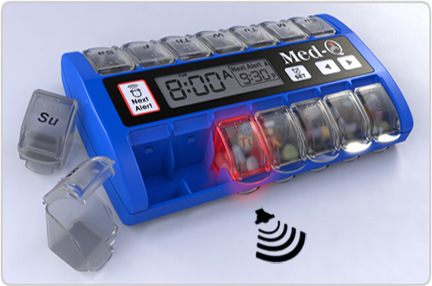
One of the most valuable pieces of technology for any senior is an emergency alert device. These devices instantly connect a person to emergency services with the touch of a button in the event of a fall or other accident. Assistive devices are available to make it easier for seniors to perform daily activities such as dressing, cooking, and bathing. Easy to operate electronic pill boxes are even available to remind seniors to take medication properly. Your doctor, medical supply company, or home health agency can help you find the right assistive devices for your situation.

3. Set healthcare goals.

The act of setting a goal often has a positive impact on a person’s overall outlook. Setting goals provides a sense of empowerment and control over one’s circumstances. Setting healthcare goals should be a collaborative effort involving the senior, their family, and the doctor. The goals should not try to fix everything at once. The goals should involve one or two specific steps the senior can take to improve their overall quality of life. For example, the doctor may advise the senior to increase exercise. The senior may not care about exercise or losing weight but may desire to remain in the home to be with a beloved dog. You can use the emotional connection to bring the two goals together by encouraging the senior to take more frequent walks with the dog.

Friday, June 19, 2015

Adapting Your Home On a Budget for Care of Senior Parents In Las Vegas

When the subject of elderly parents living with their adult children comes up, an idyllic scene of the old TV show "The Walton's" might come to mind where three generations lived in one big farmhouse. However, reality is quite different from a TV show. Today's average home is smaller, and adult children often have spouses, children and pets in homes where a parent or parents might be moving in. Regardless of whether the situation is temporary or permanent, caused by financial constraints or insurance coverage or just because of a debt of love, the change can be made much easier and safer by completing some simple home adaptations.

Common Needs In Senior Home Care

Compromised strength, range of motion and balance are the fundamentals considered when adapting homes for their care. Compromised cognitive abilities may also apply. The degree of severity differs for each person needing care, but typically adaptive needs are similar. The most dangerous room in homes for elders has always been the bathroom. Slips and falls that cause serious injury mostly occur there. Thresholds transitioning from one floor surface to another, from one room to another and from indoors to outdoors are another high hazard area. Burns while preparing food, navigating stairs and tripping over throw rugs, objects left on the floor and furniture edges are also common. Adaptive equipment minimizes injury potential.

Examples of Easy Home Adaptations to Enhance Senior Care

The first changes should be in the bathroom. Adding shower/tub chairs, elevated toilet seats and non-slip surfaces to floors, tubs and showers is a must. Most of these devices are available in practically any department store pharmacy at a low cost with no professional home renovations being required. Thresholds can be made safely navigable by walkers and wheelchairs by installing threshold ramps available at home supply centers. The rubber ones are available in different heights, and installation only involves placing them at the door like a door mat. Telescoping grab handles make it easier for seniors to retrieve light objects that have fallen onto the floor or are stored in overhead cabinets. Having favorite microwaveable foods always available helps to prevent burns and potential fires from stove cooking.

Caregiver Training Is Part of Home Adaptation

All of the best devices that aid with adult children providing care to elderly parents cannot compare to proper training. An example is patient lifts available in most care facilities. They are quite expensive but make it easy to lift the full weight of a person. However, there are proper lifting methods that make it much easier to do routine lifts of seniors who have difficulty standing. Knowledge of proper lifting procedures takes the strain off of caregivers and reduces the risk of injury for both seniors and caregivers. Training on methods such as this are available but may require asking medical professionals involved in senior care for advice on how to obtain it.

It would be nice if every home where seniors are cared for could be adapted using the latest technologies and equipment, but the reality is that families are most often under the strain of compromising on space and costs. Still, a little forethought and asking for help from available professionals can make the adaptation of a home to provide safe senior home care much easier, even on the tightest of budgets.

Thursday, May 14, 2015

Las Vegas' Own Visiting Angels Sponsores The SuperBrains

Gear Up for the SuperBrains Event Sponsored by Las Vegas’ Own Visiting Angels and Hosted by The Cleveland Clinic

If you’re a psychologist, neurologist, psychiatrist, social worker, educator or allied health professional, clear your calendar for May 15 and 16 – Visiting Angels is proud to announce that we will be sponsoring the SuperBrains: Exploring the Neuroscience of Extraordinary Abilities event, hosted by The Cleveland Clinic, with conferences taking place at both the Golden Nugget Hotel & Casino and Keep Memory Alive Event Center. With an educational focus on a better understanding of the brain’s neuroscience behaviors and showcasing examples of exceptional human abilities and behavior, SuperBrains is poised to represent an invaluable source for information pertaining to positive neuroscience.

If optimization and enhancement of quality of life for patients is something you deem important – as well as for your colleagues and even yourself – the SuperBrains conference is the place to be on May 15 and 16. Healthcare providers will learn everything there is to know about the positive influences of neuroscience for the purpose of enhancing their own clinical practices, and upon completion of the program participants will be in a position to explain how the brain changes in response to a specific task and subject matter, demonstrate successful “brain aging” analysis as well as identify the underlying factors that contribute to cognitive longevity, discuss the ins and outs of “neural underpinnings” in relation to humor development and its lifetime influence on resilience, describe the differences between everyday creativity and exceptional creativity…and much more.

At the heart of the SuperBrains event will be Sarah Banks, PhD/ABPPN/CN, head of the Neuropsychology Program at The Cleveland Clinic Lou Ruvo Center for Brain Health in Las Vegas, who has been appointed course director for the program. Sarah brings a wealth of experience and expertise qualifications encompassing patient cognitive profile characterizations, as well as the integration of this information with medical and psychological factors to aid in diagnosis and appropriate intervention techniques. Adding to her already formidable background is the fact that she is an expert in assessing patients with disorders including dementia, multiple sclerosis and Parkinson’s Disease – to say nothing of her work with patients suffering with other neurological conditions.

SuperBrains will take place at the Keep Memory Alive Event Center on Friday, May 15 and at Las Vegas' iconic Golden Nugget Hotel & Casino on Saturday, May 16.

SuperBrains: Exploring the Neuroscience of Extraordinary Abilities is an experience not to be missed. Interested parties can visit http://www.clevelandclinicmeded.com/live/courses/2015/superbrains15/ for details regarding registration and what the event is all about.